
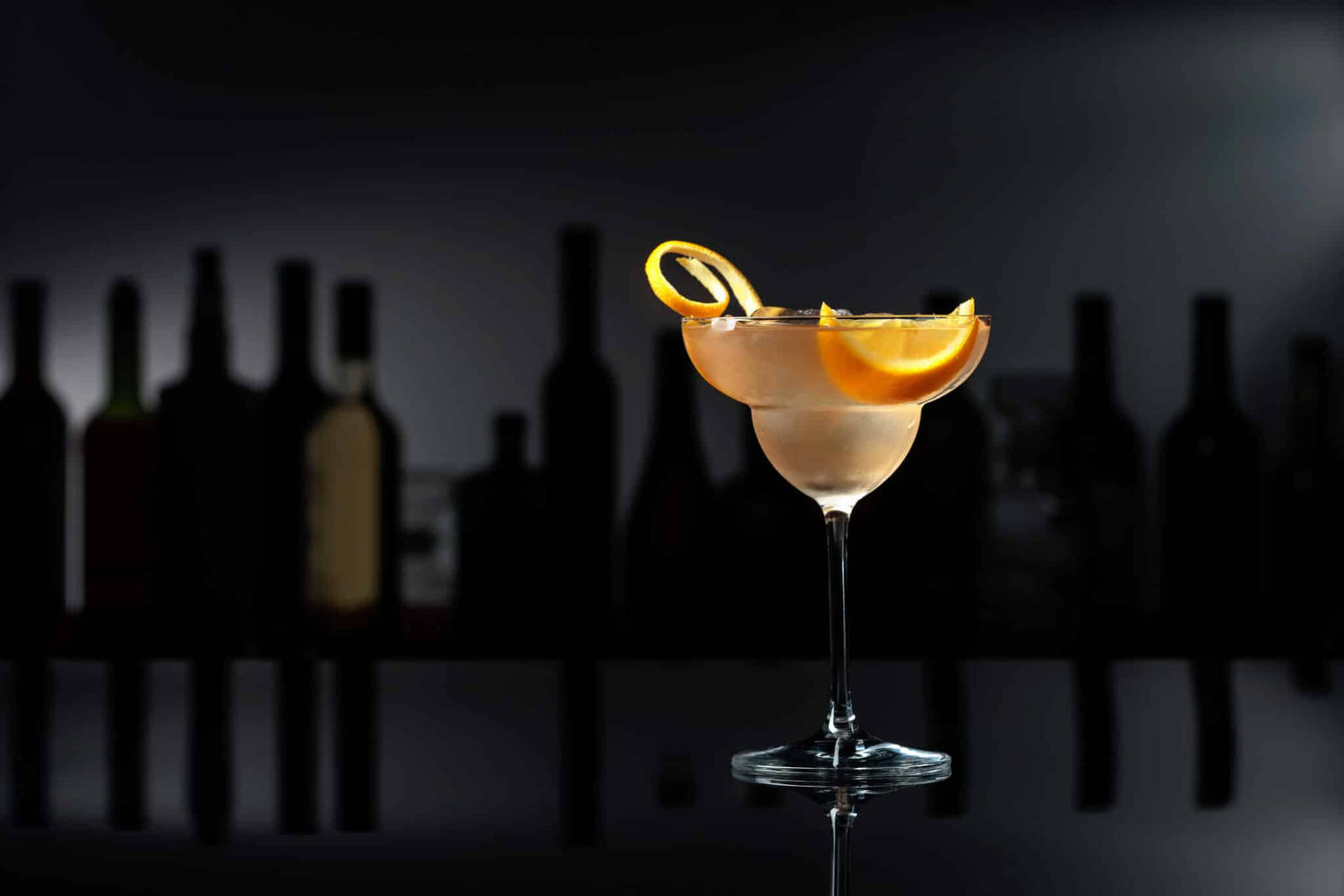
Introduction: The Reality of Drink Spiking
Drink spiking remains a serious public health concern that affects millions of people worldwide each year. Whether you're heading to a nightclub, music festival, or local bar, the risk of drink spiking is a reality that many social venues face. This dangerous practice - adding drugs to someone's beverage without their knowledge or consent - can have devastating consequences for victims, including assault, memory loss, and lasting psychological trauma.
The problem has become so significant that governments and institutions are taking action. Recent legislation in California and Germany demonstrates a growing commitment to protecting patrons in nightlife venues. At the same time, a new generation of rapid drug testing solutions has emerged, making it possible for people to verify the contents of their drinks within seconds.
In this comprehensive guide, we explore the full scope of drink spiking, the substances typically used, the latest statistics and legal developments, and most importantly, how modern testing technology like drink spiking tests can help protect you and your friends. Whether you work in the hospitality industry, organize events, or simply enjoy socializing at venues, understanding drink spiking and available protection methods is essential.
What is Drink Spiking? Understanding the Threat
Drink spiking refers to the non-consensual addition of drugs or other substances to a person's beverage. The person consuming the drink is unaware of the adulteration and has not agreed to consume any substances. This criminal act is a form of poisoning and often precedes sexual assault or robbery.
Drink spiking is not a new phenomenon, but awareness of it has increased dramatically in recent years due to social media campaigns and survivor advocacy. High-profile cases in the United Kingdom, Germany, Australia, and the United States have brought the issue into public consciousness. Law enforcement agencies and hospitality venues now recognize drink spiking as a serious crime that requires prevention strategies.
Why Do Perpetrators Spike Drinks?
Understanding motivations behind drink spiking helps venues and event organizers implement better prevention strategies. The primary reasons include:
- Sexual assault - the most common motivation
- Robbery and theft
- Recreational use or "pranks" (though still criminal)
- Coercion or control within relationships
- Unconsciousness for trafficking purposes
The seriousness of these crimes has prompted comprehensive safety guides for nightlife and increased security measures in venues across the world.
Who Is Most At Risk?
While drink spiking can happen to anyone regardless of age, gender, or appearance, certain groups face disproportionate risk. Young adults, particularly those aged 18 - 34, report higher rates of drink spiking incidents. Women are statistically more likely to be targets, though men and members of the LGBTQ+ community also experience this crime. Solo attendees and people who have become separated from their friends may be at elevated risk.
Common Substances Used in Drink Spiking
Over 30 different substances have been identified in drink spiking cases, ranging from prescription medications to illicit drugs. Understanding these substances is crucial for venues, event organizers, and attendees. Modern drug and alcohol tests are designed to detect multiple substance categories rapidly.
GHB (Gamma-Hydroxybutyrate) and GBL (Gamma-Butyrolactone)
GHB and its precursor GBL are among the most commonly used substances in drink spiking cases. GHB is a central nervous system depressant that produces effects within 15 - 30 minutes. Even small quantities - as little as 0.5 to 1 gram - can cause significant impairment. The substance triggers anterograde amnesia, meaning victims cannot form new memories after consumption, leaving them with gaps in their recollection of events.
The danger of GHB lies in its narrow safety margin. The difference between an "effective" dose and a dangerous or potentially fatal dose is small, making accidental overdose a serious risk. This is why testing for GHB and GBL presence is critical for venue safety protocols.
Recent legislation has addressed the GBL problem. In Germany, the Bundestag passed a law on November 14, 2025, placing GBL under the Neue-psychoaktive-Stoffe-Gesetz (NpSG) framework. The law bans the manufacture, trade, and possession of GBL and BDO at concentrations exceeding 20%. This regulation is expected to take effect in April 2026 following a three-month transition period, making it one of Europe's strongest measures against these precursor chemicals.
Ketamine
Ketamine is a veterinary anesthetic that produces rapid sedation and dissociative effects. Users report feeling detached from their body and surroundings. In drink spiking cases, ketamine typically takes effect within 5 - 15 minutes. It impairs cognitive function, motor control, and memory formation, making victims vulnerable to assault.
Ketamine consumption can lead to dangerous physical effects including elevated heart rate, respiratory depression, and loss of consciousness. Long-term use is associated with serious health consequences, but even single exposures through drink spiking can cause acute harm.
Benzodiazpines and Flunitrazepam
Benzodiazepines, a class of prescription sedatives, are occasionally used in drink spiking. Flunitrazepam (Rohypnol) is particularly notable because it was specifically marketed as having properties that made it attractive to perpetrators - it produces sedation and amnesia with minimal taste or color change in drinks.
These substances work by enhancing the effects of GABA in the brain, producing relaxation and amnesia. When consumed without consent, they render victims unable to resist assault or even remember the experience.
Scopolamine (Hyoscine)
Scopolamine is an anticholinergic drug with a long history of use in crimes. It produces profound amnesia and compliance - some victims describe feeling conscious but unable to control their actions or resist. The substance is particularly dangerous because victims may not realize they've been drugged during the incident.
Other Substances
Additional substances identified in drink spiking cases include cocaine, barbiturates, antihistamines, clozapine, tricyclic antidepressants, and various other amine-based drugs. Perpetrators sometimes use prescription medications obtained illegally. In some cases, alcohol itself is added to a victim's drink without consent to increase intoxication beyond what they intended.
The variety of substances used demonstrates why modern testing technology must be capable of detecting a broad spectrum of compounds. A single drug-facilitated assault test ideally identifies multiple drug classes within seconds.
Symptoms and Effects of Drug-Laced Drinks
Recognizing the signs that a drink has been spiked is critical for quick response. However, symptoms vary depending on the substance used, the amount consumed, the victim's body weight and tolerance, and other factors. This unpredictability makes in-drink testing superior to relying on observation alone.
Common Symptoms of Drink Spiking
Victims of drink spiking often report:
- Sudden dizziness or vertigo
- Unexpected drowsiness or difficulty staying awake
- Loss of motor control or difficulty walking
- Blurred or double vision
- Difficulty speaking or slurred speech
- Confusion or disorientation
- Sudden nausea or vomiting
- Loss of consciousness
- Memory loss or "blackouts"
- Feeling of detachment from their body
- Unusual changes in emotions or behavior
- Difficulty remembering events after consumption
Timeline of Effects
Different substances work at different speeds. GHB and ketamine typically produce noticeable effects within 15 - 30 minutes, while benzodiazepines may take 20 - 40 minutes. This window is critical - it's the timeframe during which someone who suspects their drink has been spiked can seek help or get to a safe location.
The sudden onset of impairment is a key warning sign. If someone is drinking at a normal pace but suddenly becomes significantly intoxicated, drink spiking may have occurred. This is particularly notable if the person has only consumed one or two drinks.
Long-Term Effects and Trauma
Beyond the immediate physical effects, drink spiking victims often experience lasting psychological consequences. Trauma, anxiety, post-traumatic stress disorder (PTSD), depression, and difficulty forming trust can persist for years. Memory loss created by the drugs themselves often prevents victims from fully understanding what happened to them, compounding psychological harm.
Drink Spiking Statistics: The Scale of the Problem
Recent data demonstrates that drink spiking is far more prevalent than many realize. Understanding the statistics helps venues recognize the seriousness of the issue and motivates investment in prevention technology.
United Kingdom Statistics (2025)
According to Drinkaware's 2025 research, drink spiking is a widespread problem across the UK:
- Approximately 1 million UK adults were spiked in the past year (1.8% of the adult population)
- Among 18 - 34 year olds, the rate increases to 3% - significantly higher
- 70% of 18 - 24 year olds have either been affected by drink spiking or witnessed it happening
- Nightclubs are the most common location (38% of incidents), followed by pubs (27%) and restaurants (17%)
- Shockingly, only 23% of victims report the incident to police
- 87% of victims choose not to report their experience
These statistics reveal a significant underreporting problem. The vast majority of drink spiking incidents likely go unreported and unrecorded, suggesting the actual prevalence may be considerably higher than official figures indicate.
Germany and Europe
Berlin, Europe's nightlife capital, experienced particular concern regarding drink spiking. A recent study found that 22.2% of nightlife participants in Berlin reported experiencing drink spiking - far exceeding international averages. This alarming statistic prompted discussions about venue safety protocols and testing solutions across German nightclubs and festivals.
European cities including London, Amsterdam, Barcelona, and Cologne have reported similar concerns, with advocacy organizations pushing for venue-based testing programs and better staff training.
Global Perspective
While comprehensive global data is limited, reported cases of drink spiking have increased significantly in developed countries over the past decade. This increase likely reflects both genuine increases in incidents and improved reporting and awareness. Australia, Canada, and the United States have all documented substantial drink spiking problems in major cities and entertainment venues.
Legislation and Legal Developments
Governments worldwide are recognizing drink spiking as a serious public health issue and enacting legislation to protect patrons. Two particularly significant recent developments demonstrate this trend.
California AB 1013 (July 2024)
California Assembly Bill 1013, which took effect in July 2024, represents groundbreaking legislation for venue-based drug testing. The law requires approximately 2,400 bars and nightclubs holding Type 48 licenses to offer drug testing devices to patrons, either for free or at a reasonable cost.
Specifically, AB 1013 mandates that venues provide access to testing capable of detecting:
- Flunitrazepam (Rohypnol)
- Ketamine
- Gamma-Hydroxybutyrate (GHB)
The law is designed to run through January 1, 2027, after which its provisions will be re-evaluated. This gives California a three-year period to assess the effectiveness of in-venue testing in preventing drink spiking and sexual assault.
The implementation of AB 1013 has accelerated adoption of rapid testing technologies across California venues. Many bars and nightclubs are training staff to provide testing and educating patrons about the service. This represents a significant shift toward proactive harm reduction in the hospitality industry.
Germany's GBL Ban (November 2025)
In response to the widespread use of GBL in drink spiking and as a recreational drug, the German Bundestag passed legislation on November 14, 2025. The law places GBL (gamma-butyrolactone) and BDO (1,4-butanediol) under the Neue-psychoaktive-Stoffe-Gesetz (NpSG - New Psychoactive Substances Act).
Key provisions include:
- Complete ban on manufacture, trade, and possession of GBL and BDO at concentrations exceeding 20%
- Strict penalties for violation
- Expected implementation date: April 2026 (following a three-month transition period)
- The regulation also covers nitrous oxide (laughing gas)
This legislation makes Germany one of the European leaders in restricting precursor chemicals used in drink spiking. The ban addresses both the recreational drug market and the use of GBL as a primary tool for facilitating sexual assault and robbery.
Global Momentum
Beyond California and Germany, other jurisdictions are considering similar measures. Scotland has debated mandatory testing in venues, Australia has implemented public awareness campaigns, and the UK continues to expand its Drink Safe campaign. This global momentum reflects recognition that drink spiking is a serious crime requiring comprehensive response strategies.
How to Test for Drink Spiking: Test Strips vs. Other Methods
Several approaches exist for testing drinks, each with varying levels of effectiveness, cost, and practicality. Understanding the options helps venues and individuals choose the best protection method.
Rapid Test Strips - The Gold Standard
Modern rapid test strips represent the most practical solution for venues, festivals, and individuals. These small, portable strips provide results in seconds using colorimetric technology. A small amount of the beverage is applied to the strip, and color changes indicate the presence of specific drug classes.
The advantages of test strips include:
- Speed - results in 15 - 60 seconds
- Portability - small enough to carry in a pocket or purse
- Cost-effectiveness - inexpensive enough for widespread distribution
- No special equipment required
- High detection rates when properly used
- Minimal training needed for operation
Test strips are suitable for saliva and surface drug testing as well, making them versatile tools for harm reduction.
Laboratory Testing
Laboratory analysis provides definitive identification of substances present in a drink and their concentrations. However, this method has significant limitations for real-time protection at venues:
- Results take hours to days (too slow for immediate protection)
- Requires specialized equipment and trained technicians
- High cost per test
- Sample must be collected and transported
- Useful primarily for law enforcement investigation after an incident
While laboratory testing is valuable for criminal investigations and building evidence, it cannot prevent drink spiking in real-time.
Wristbands and Coaster-Based Testing
Some venues have experimented with technology-based solutions including wristbands that change color if dipped in a spiked drink, or coasters with integrated testing capabilities. While innovative, these methods have limitations:
- Users must remember to use them consistently
- Some require specific application techniques
- Effectiveness varies with temperature and beverage type
- May be less discreet than individual test strips
Test strips remain superior because they work in virtually any beverage and provide results with minimal training.
The DrinkCheck Drink Spiking Test: A Reliable Solution
DrinkCheck represents the latest generation of rapid drink spiking tests, combining advanced detection technology with practical ease of use. This drink spiking test has been validated through independent laboratory research and is designed specifically for use at nightclubs, festivals, bars, and other social venues.
Detection Capability
DrinkCheck test strips detect multiple substances commonly used in drink spiking:
- GHB (Gamma-Hydroxybutyrate)
- Ketamine
- Cocaine
- Scopolamine
- Other amine-based drugs and substances
The ability to detect 6 or more substance categories makes DrinkCheck significantly more effective than single-substance tests. This broad spectrum detection addresses the reality that perpetrators use varied drugs depending on availability and cost.
Accuracy and Validation
DrinkCheck achieves a 98%+ detection rate, making it among the most reliable rapid tests available. This high accuracy rate has been validated through independent laboratory testing by three respected institutions in 2024:
- CTLS (Central Testing and Logistics Service)
- University of Strathclyde
- Lucideon
Beyond accuracy, DrinkCheck maintains rigorous quality certifications:
- ISO 9001:2015 (Quality Management)
- ISO 13485:2016 (Medical Device Quality)
- SBD (Secured by Design) Certification
These certifications demonstrate that DrinkCheck meets international standards for both product quality and medical device safety.
Practical Specifications
DrinkCheck test strips are designed for maximum usability:
- Size: 8cm strips - small enough to fit in a pocket or clutch
- Weight: 2g - virtually weightless
- Results: 15 seconds - near-instantaneous
- Shelf life: 24 months - stable for extended storage
- No special equipment needed - works in any beverage
- Multiple language instructions for international use
DrinkCheck Market Packages
DrinkCheck is available in two distinct packages tailored to different markets. For customers in Germany and the German-speaking EU region, the DC-1 package is optimized for that market with localized documentation and distribution. The DC-2 package serves English-speaking markets and international venues, making it the appropriate choice for venues and individuals in the UK, Ireland, Australia, North America, and other English-language regions.
Both packages contain identical test strip technology and detection capabilities - the difference lies in packaging, instructions, and market distribution. Whether you're accessing the drink spiking test through German channels or the drink spiking test through English-language sources, you're receiving the same validated, high-performance product.
How to Use DrinkCheck Test Strips
One of DrinkCheck's major advantages is its simplicity. No special training or equipment is required, making it accessible to venue staff, event security, and individuals.
Step-by-Step Instructions
1. Open the Test Strip Package
Remove one test strip from its packaging. The strip remains effective until the expiration date printed on the package.
2. Apply the Beverage
Place a small amount of the beverage (approximately a drop or small splash) directly onto the test strip. The strip can be dipped briefly into the drink or the liquid can be applied with a finger or small applicator.
3. Observe Color Change
Wait 15 seconds while the chemical reaction occurs within the strip. The strip will display color changes if specific substances are detected. The instruction card shows what different color patterns mean.
4. Interpret Results
Compare the strip's color pattern to the reference card included in the package. Different substance combinations produce different color patterns. Clear or no color change indicates the tested substances were not detected.
5. Take Appropriate Action
If a positive result is detected, the person should immediately move to a safe location, notify venue staff or security, and consider contacting emergency services or law enforcement.
Best Practices
- Test drinks before consuming if you're concerned about spiking
- Keep a test strip with you at venues
- Know where staff or security personnel are located to report findings
- Never consume a drink that tests positive
- If someone else's drink tests positive, involve venue management immediately
- Remember that negative results do not guarantee a drink is safe - always drink responsibly and watch your beverage
Frequently Asked Questions About Drink Spiking and Testing
Q1: Can I test my drink discreetly at a venue without others noticing?
Yes. DrinkCheck test strips are small (8cm) and can be used discreetly. You can apply the beverage to the strip under the table or in a pocket, and the test completes in 15 seconds. The discretion helps avoid drawing attention while you determine if your drink is safe. However, venue staff should also have access to tests if you're uncomfortable testing privately.
Q2: What should I do if my drink tests positive?
If a test indicates the presence of drink-spiking drugs, immediately move to a safe location, preferably near friends or venue staff. Alert venue security or management about the positive result. Contact emergency services (911 in the US, 999 in the UK, 112 in the EU) if you're uncertain about your safety. Do not consume the drink. If you have already consumed part of the drink, seek medical attention promptly.
Q3: How long do DrinkCheck strips remain effective?
DrinkCheck test strips maintain effectiveness for 24 months from the manufacturing date when stored in the original packaging at room temperature. Always check the expiration date on the package before use. Expired strips may not provide accurate results.
Q4: Can test strips detect all possible drink-spiking substances?
DrinkCheck detects the most common substances used in drink spiking (GHB, ketamine, cocaine, scopolamine, and other amine-based compounds). However, with over 30 substances identified in drink spiking cases, no test detects every possible substance. A negative result means the detected substances were not found, but it does not guarantee complete safety. Always combine testing with other harm reduction strategies like watching your drink, staying with friends, and monitoring your alcohol consumption.
Q5: How should venues implement drink spiking testing programs?
Venues can implement testing by training staff to understand the technology, maintaining an inventory of test strips, establishing clear protocols for responding to positive results, and making the service available free to patrons. California's AB 1013 law provides a model for mandatory testing programs. Staff should be trained in trauma-informed response to help victims rather than blame them. Venues should also display information about spiking prevention, the testing service, and support resources for victims.
Conclusion: Staying Safe at Nightclubs, Festivals, and Bars
Drink spiking remains a serious threat in social venues worldwide, but modern testing technology and new legislation demonstrate that progress is possible. Understanding what drink spiking is, recognizing the substances used, identifying symptoms, and knowing your testing options empowers you to protect yourself and others.
Rapid test strips like DrinkCheck represent a significant advancement in harm reduction. Combined with venue security improvements, staff training, bystander awareness, and legislation like California's AB 1013, these tools create a multi-layered approach to preventing drink spiking and the crimes it enables.
Whether you're attending a nightclub, music festival, bar gathering, or other social venue, remember: you have the right to safety. Testing your drink is not paranoid - it's practical self-protection. Venues that offer testing demonstrate their commitment to patron safety. If you or someone you know has experienced drink spiking, remember that it's not your fault. Support resources and information about rapid drug testing are available to help.
Stay aware, stay safe, and know that prevention tools are now within reach. The combination of drug and alcohol tests, venue accountability, and public awareness creates a safer environment for everyone who enjoys nightlife.
